After the EU-wide calamity and impending doom of the past few days and weeks, you would rightly query what exactly is now going on. Its pretty straightforward – European leaders are starting to get serious. The key element of the October 23rd summit was a sea change in the dialogue. The Franco-German duo of Merkel and Sarkozy have stopped insisting on minor sticking-plaster solutions and have belatedly began to talk about more serious surgery including a keystone proposal to write down (haircut) a substantial portion (40-60%) of Greece’s €350 national debt pile. This would make it hugely more manageable. After listening to the weekend views of the G20 (who are, no doubt, in convulsions over the prospect of a European engineered second ‘double dip’ world recession), there is no doubt the conversation has changed.
EU leaders are not formulating a full scale multifaceted rescue plan to tackle the underlying problems. Previously, the focus was skewed to address urgent liquidity problems, with tackling solvency a long term (#2) aim. Now, the short term focus is starting to change, and with good (economic) reason.
The ‘Liquidity’ Era
For too long, as economist Ken Rogoff outlines in Der Spiegel the discussion in eurozone circles was squarely focused on addressing liquidity problems (getting the day to day financing in order) for those countries most at risk of going bankrupt – Portugal, Ireland and Greece. Remember it was doubt over their ability to pay for the functioning of their own economies which caused their borrowing costs on the bond markets to skyrocket – and caused the creation of the EFSF and the EU-IMF bailouts. But all this has proved ineffective to stop the rot. Greek needed a second bailout less than 7 months after its first and the on-off panic encouraged by the Greek government dragging its feet on meeting its obligations. Releasing the bailout funds in tranches after regular reviews by the troika (European Commission – ECB – IMF) has injected more instability than certainty into the process. With the Greek government promising to get its debt in order by dramatically altering labour laws enshrined in the Greek populace for generations, drastically reducing the size and cost of the public service and budgetary measures such as increased taxes and deep spending cuts – the calamitous environment is ruining investor confidence and prospects for a return to economic growth in Europe and beyond.
The ‘Solvency’ Era
So, the real problem is Greece or more accurately, Greek solvency and the interdependent solvency of the big European banks. Unlike what was believed previously (in the ‘liquidity’ phase), Greece has very weak structural economic strengths to fall back on). A disorderly Greek default would put the solvency of those indebted European banks into question (and with them, the economies in which they operate across Northern Europe). Therefore, there is no stable bottom to this crisis.
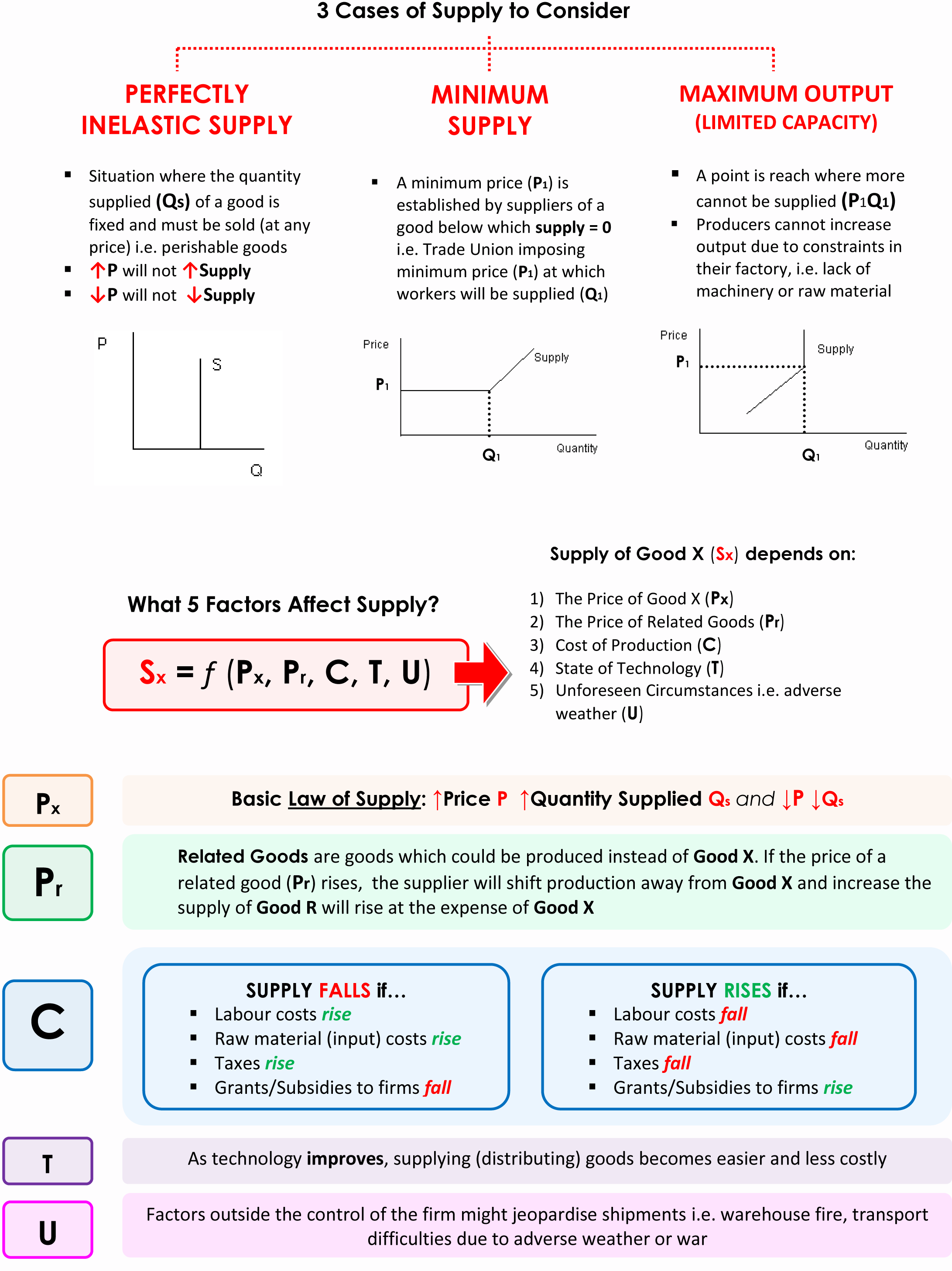
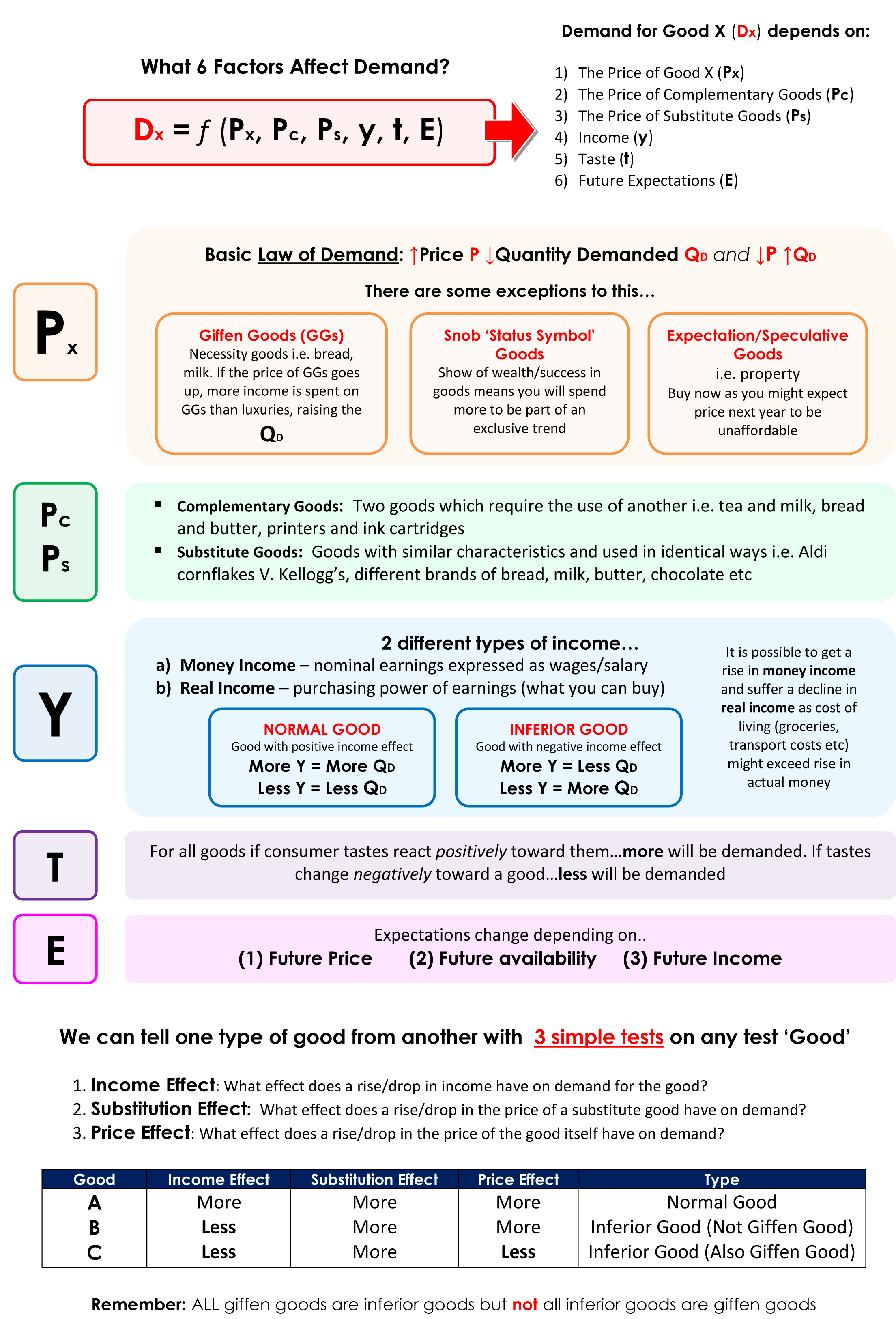
 Now, the concept of ‘Elasticity’. Its all about how responsive consumers are to changes in the prices of the goods and services they buy every day.


 Posted by Editor











 piigsty